



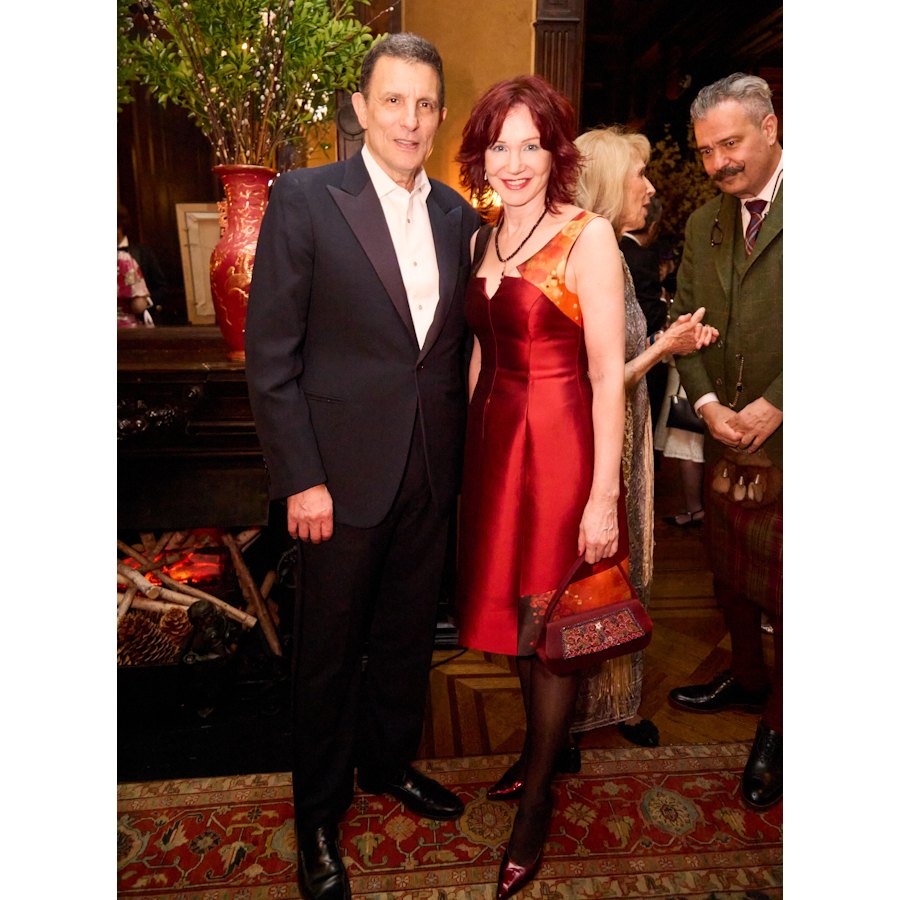
New York’s glitterati gathered at Gramercy Park’s National Arts Club (NAC) on May 6 to witness journalist, writer, and editor David Remnick receive the club’s Medal of Honor for Achievement in Literature. I was thrilled to meet honoree David Remnick and mingle with a pantheon of writers and makers of The New Yorker magazine.
I had the opportunity for a brief chat with David Remnick, pictured above, and conveyed humorous regards between him and my esteemed editor, Keith Kelly. Tara Cortes, NAC President, and my sometimes dance partner, Nicholas D. Lowry of “Antiques Roadshow,” are seen at the right. Many thanks to Nadine Heidinger, the NAC’s Director of Marketing and Design, for making the arrangements with photographer Andrew Day. And hugs and thanks to my dear friend Linda Zagaria, former NAC president and always the most charming companion, for inviting me!
Remnick was honored not just for his own writing, which is impressive in its global, multi-genre scope and sheer vastness of word count, but also for his contributions to literature for the past 28 years as editor of The New Yorker magazine.
Under Remnick’s leadership, The New Yorker has become America’s most honored magazine, for its writing excellence and for its contributions to world literature. The magazine is renowned for introducing global authors such as Haruki Murakami, Alice Munro, and Vladimir Nabokov to its massive readership (over 1.3 million monthly subsribers in 2025, and an estimated 20 million monthly online readers).

In 2016, The New Yorker became the first magazine to receive a Pulitzer Prize for its writing, and it has now won eleven Pulitzers, including the gold medal for public service. The New Yorker has also won more than fifty National Magazine Awards during Remnick’s tenure.
Remnick was elected to the American Academy of Arts and Letters in 2016. With the much-coveted (if largely unknown) NAC Medal of Honor, Remnick joins the ranks of previous recipients dating back to 1968. Not surprisingly, Remink has published the work of many of the medal’s past honorees in The New Yorker since taking the leadership reins in 1998.
When former New Yorker editor Tina Brown resigned, the New York Post gave Remnick 50-to-1 odds to be her replacement. In his acceptance speech at NAC, Remnick humbly stated he still didn’t know how he’d gotten the job. But obviously he hasn’t done too badly.
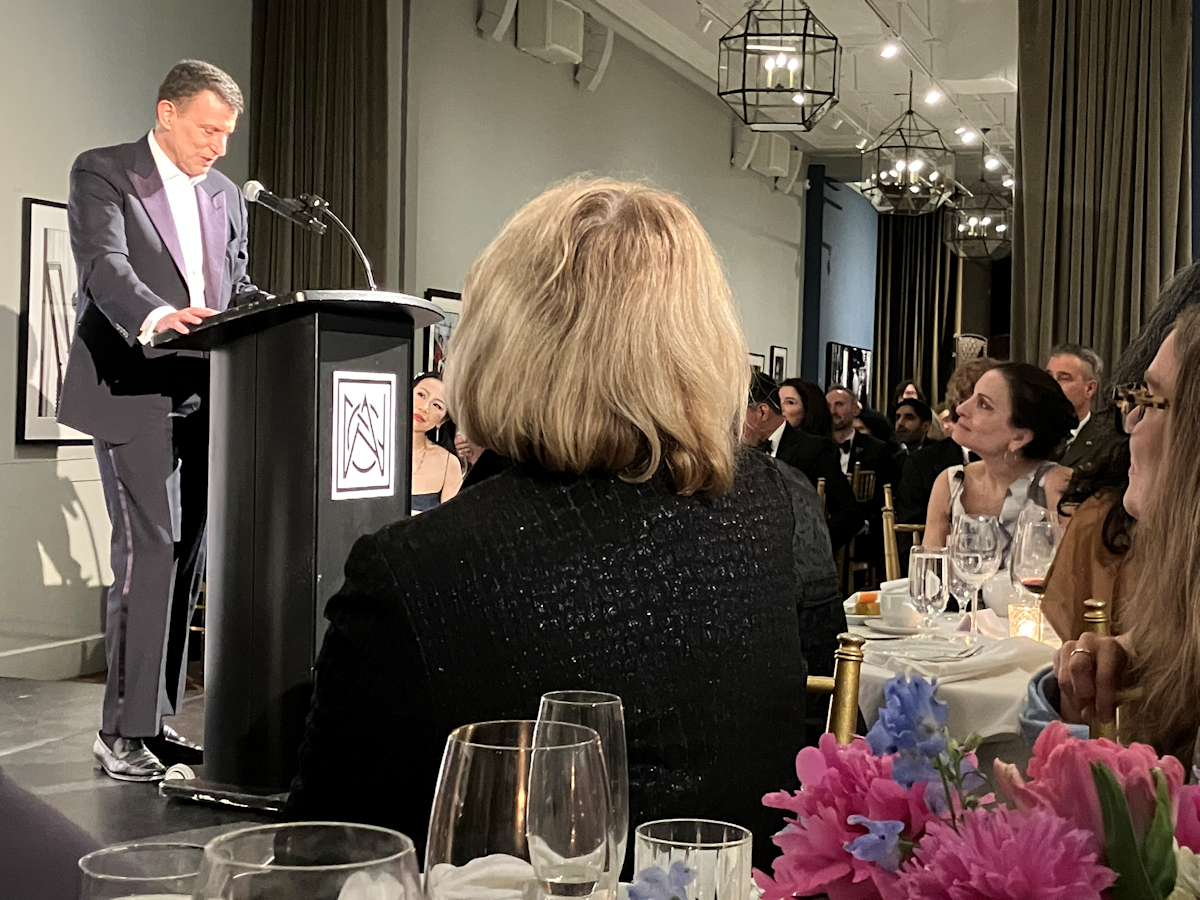
David J. Remnick (born October 29, 1958) was a staff writer for the magazine for six years before becoming its editor. He was previously The Washington Post’s correspondent in the Soviet Union. One of his earliest pieces for The New Yorker was about Aleksandr Solzhenitsyn. He met Solzhenitsyn and spent time with his family in Russia. In 1993, Solzhenitsyn’s wife Natalia invited Remick to dine at NAC on the occasion of Solzhenitsyn being awarded a Medal of Honor.
Recounting the story during his acceptance speech, Remnick said Solzhenitsyn did not attend the dinner; he would not to attend such events. But he did send a long message to Gramercy Park in a vodka bottle—a dire jeremiad about the decline of literature and the downward spiral of cultural values throughout the land. His speech was hilarious. Remnick then dryly quipped, “You have gone from giving this award to Aleksandr Solzhenitsyn to giving it to someone who edits talking dog cartoons. You should be ashamed of yourselves.”
The ever-humble Remnick won the Pulitzer prize in 1994 for his tome Lenin’s Tomb: The Last Days of the Soviet Empire, based on his time in Russia. He also met his wife Esther B. Fein, former New York Times political reporter and foreign correspondent, while working in Russia. They married in October 1987 and have three children.
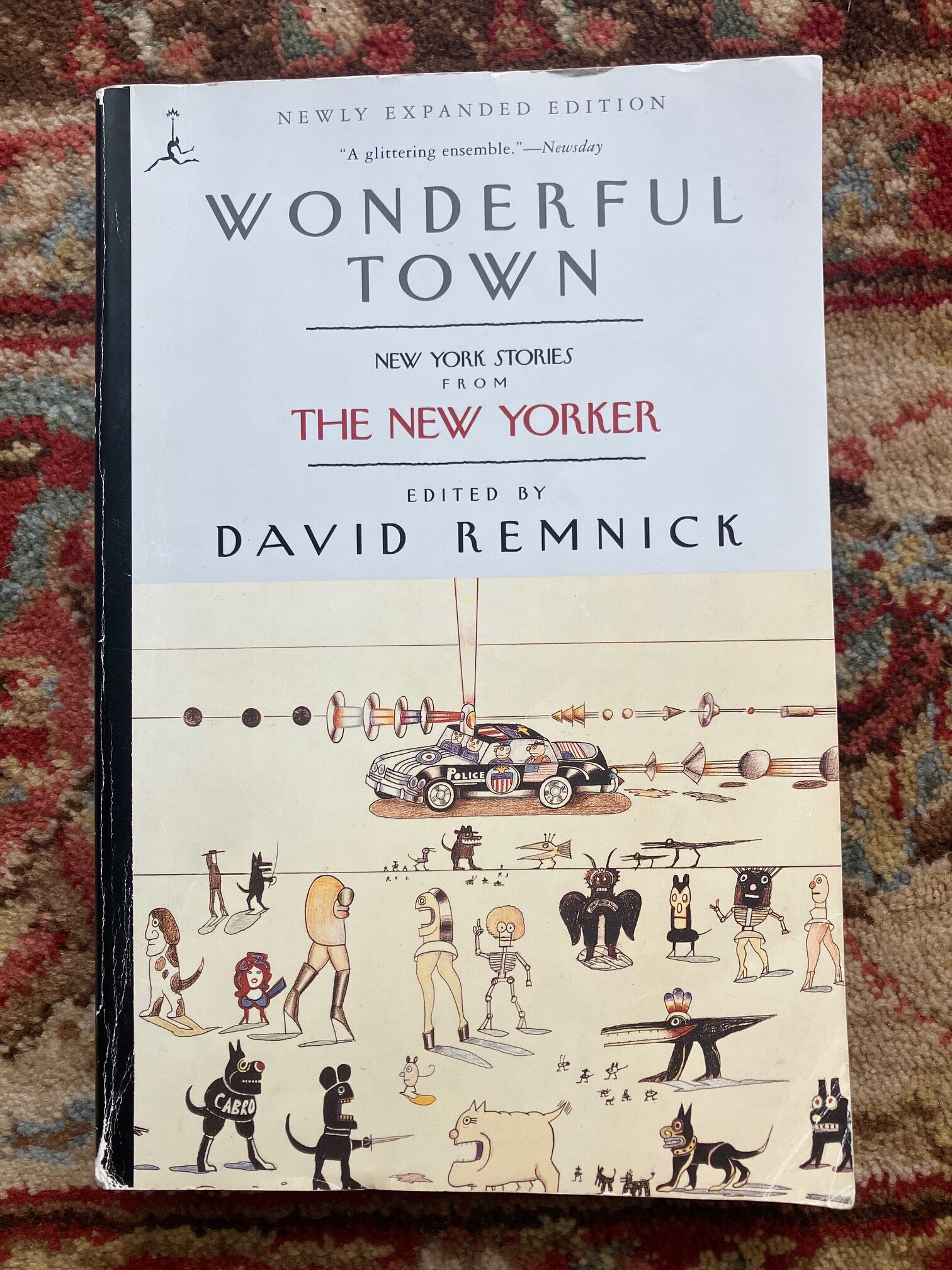
Remnick is the author of numerous books, including King of the World, a biography of Muhammad Ali, which was named the top nonfiction book of the year by Time magazine in 1998. His most recent book is Holding the Note: Profiles in Popular Music (2023). He has also been editor or co-editor of numerous anthologies of essays from The New Yorker. Remnick was named Editor of the Year by Advertising Age in 2000.
The New Yorker celebrated its 100th anniversary last year. Subscribers to the magazine enjoyed special retrospective pieces throughout the year of celebration. The fascinating Netflix documentary “The New Yorker at 100,” now streaming, gives a glimpse into Remnick’s leadership role, with an inside look into the making of the 100th anniversary issue. The documentary has interviews with many of the magazine’s key staff, including the “much vaunted” fact checkers.
Many New Yorker staff members, past and present, were at the award ceremony. Guest speakers included the magazine’s long-serving editorial director, Henry Finder. The New York Review of Books editor Emily Greenhouse recounted stories of working as an editorial assistant to Remnick earlier in her career (2012-2014), and the necessity of creating a guide to Yiddish adjectives in order to understand Remnick’s feedback on her work. “This story is fakakta – too megillah!” Staff writer Kelefa Sanneh gave a speech equal in hilarity to that of Aleksandr Solzhenitsyn’s 1993 message in a bottle. The audience was in stitches.
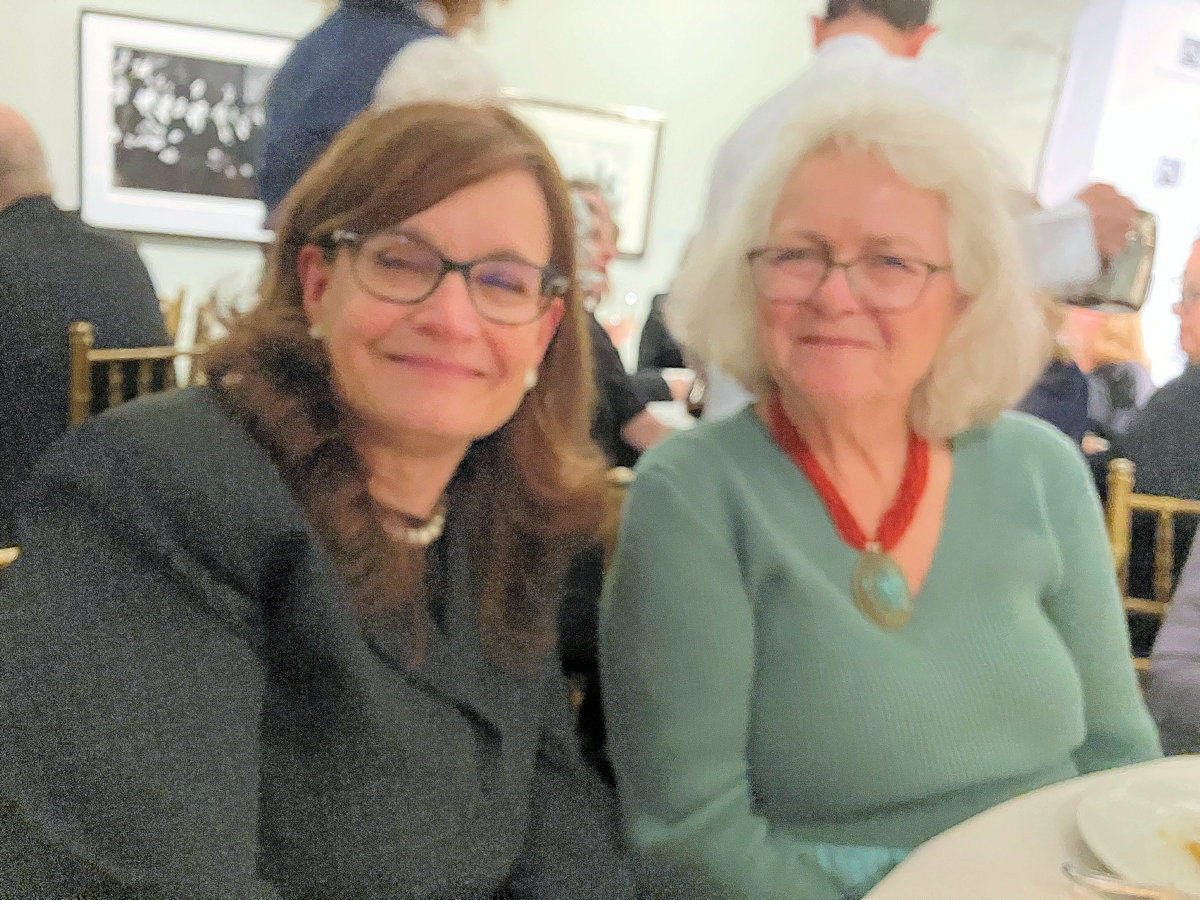
One of my dining companions was Julie Just, the chair of the NAC’s Literary Committee. She was the evening’s gracious and erudite emcee. After a brief foray writing for our beloved West Side Spirit, Just worked as editor William Shawn’s secretary at The New Yorker. She was promoted several times and eventually became assistant editor in the fiction department, where she read the slush pile (author names A through K), proving that Straus News is a literary launch pad perhaps equal to The New Yorker.
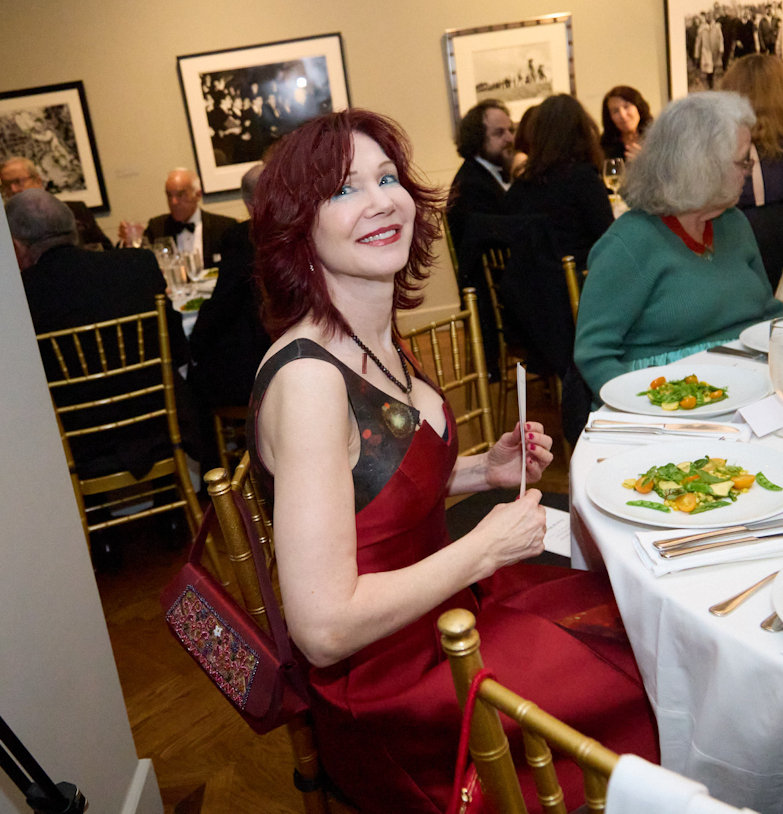
I also had the pleasure of dining with “Comma Queen” author and New Yorker writer Mary Norris, who began working at The New Yorker in 1978 and was a query proofreader at the magazine for twenty-four years. She has a column-within-a-column on newyorker.com’s Shouts and Murmurs called “Finishing School,” and she is the author of Between You & Me: Confessions of a Comma Queen (2015) and Greek to Me: Adventures of the Comma Queen (2019). She wrote “Holy Writ” for The New Yorker in 2015, to talk about her journey from aspiring dairymaid to Comma Queen. (Oh god, I hope that comma is correct!)
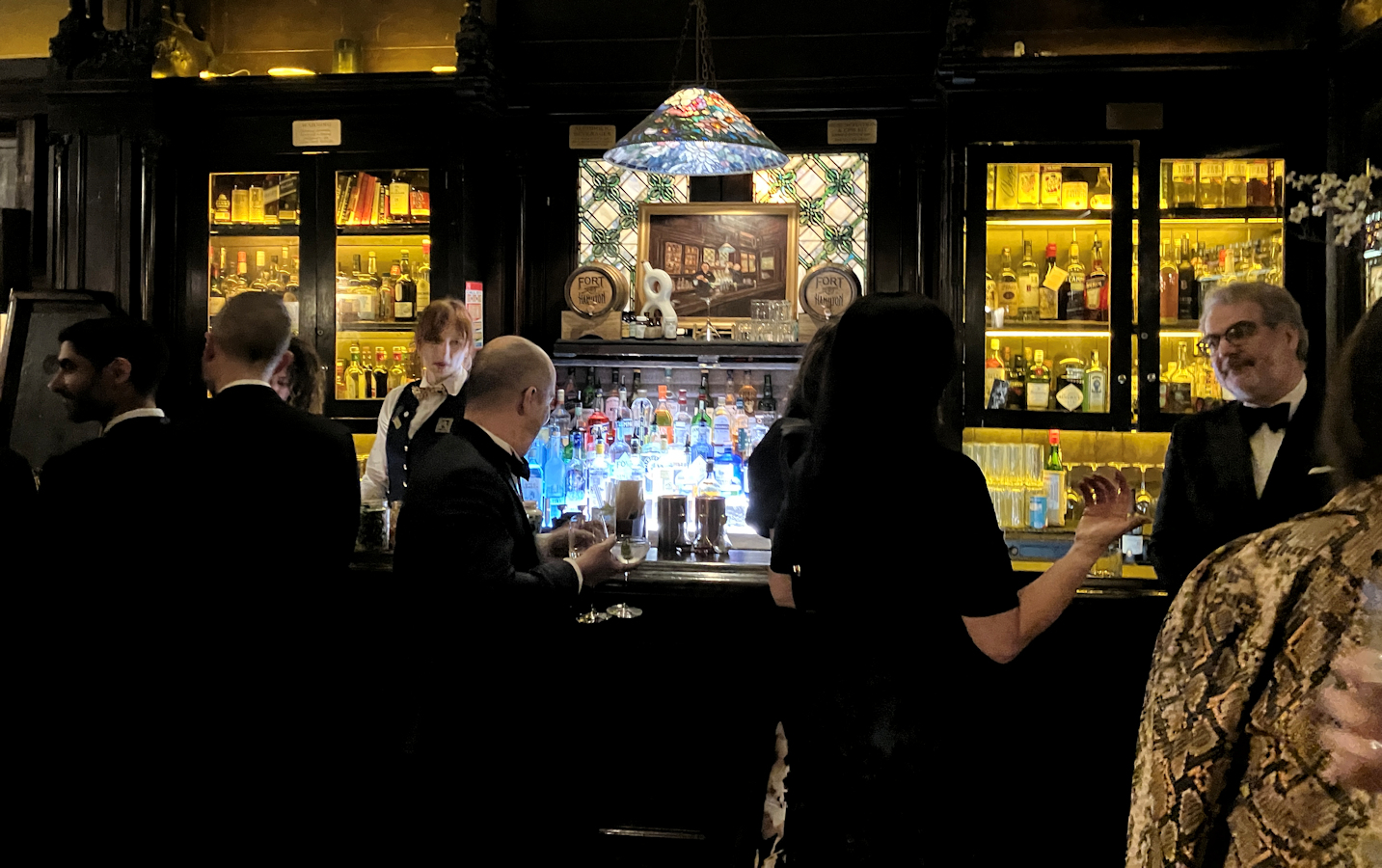
Many NAC members put on their black-tie best to join the celebration, including Nicholas (Nicho) D. Lowry, president of Swann Auction Galleries and a beloved, long-time appraiser on PBS’s “Antiques Roadshow” who specializes in antique posters. Known for his plaid-forward style as much as his bonhomie, he attended the Medal of Honor ceremony in a kilt and sporran (see top photo).
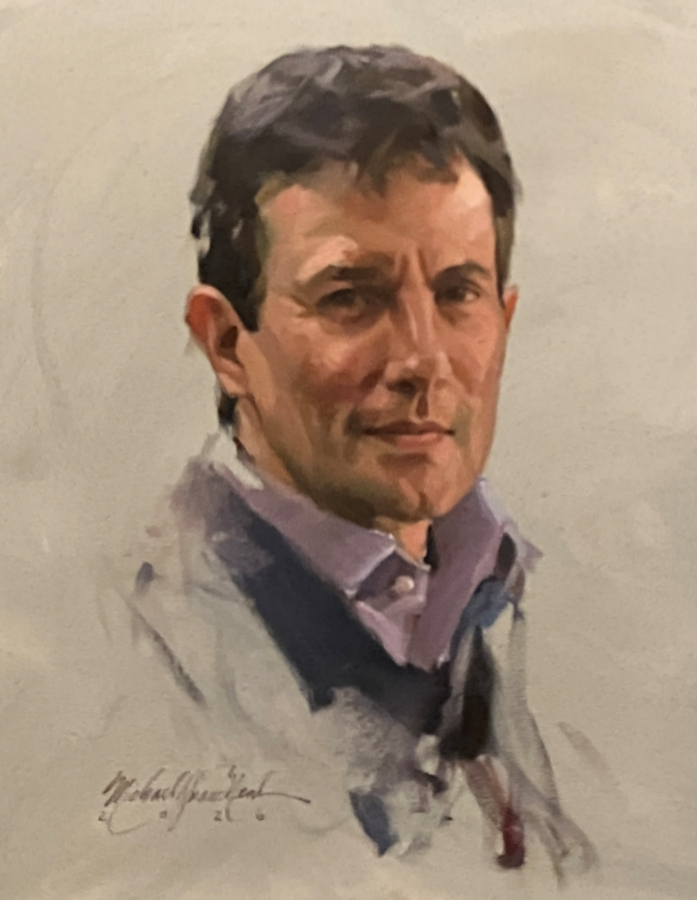
The NAC commissions a portrait of each Medal of Honor recipient for display in their portrait gallery. NAC artist resident and distinguished American portrait artist Michael Shane Neal painted Remnick’s portrait, which will join a host of literary luminaries dating back to 1968, including Toni Morrison, Margaret Atwood, Alexander McCall Smith, Henry Louis Gates Jr., and many more. Remnick is a lifetime member of the National Arts Club.
This story first appeared in Chelsea News and other papers in the Straus News group.
Style Notes
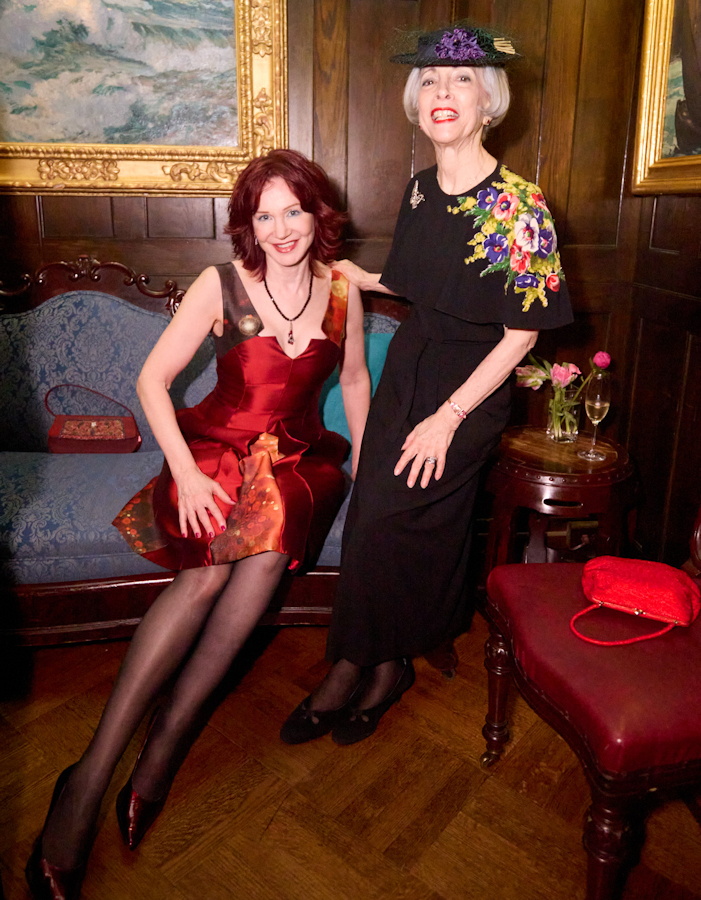
For this illustrious occasion, I wore designer Andrea T. New York’s glowing garnet wool silk dress featuring celestial accents from New York artist James Kerr’s “Dominion Day” painting. Candy apple red Mimosa pumps and a garnet necklace complete the look.
What a wonderful and unique experience for you. Congratulations. And I have to say, your ensemble looks absolutely amazing. Always a pleasure to receive your articles, I look forward to reading them. Thank you for sharing and for having me on your mailing list.
Thanks, Bruce! Andrea T is such an amazing designer. I always feel terrific in her clothes. On this occasion, I felt glamorous and completely at ease knowing that I could breathe and enjoy the meal and still look like a million! 🙂
Thanks for reading and commenting. I treasure our friendship.
Congratulations on attending the elegant literary event with icons of The New Yorker, our national (and international) cultural treasure! And your elegant outfit matches the event!
Thanks, Pat! It was a night I will always treasure!